Droplet Arithmetic: Making Sense of CBD Serving Sizes in the UK
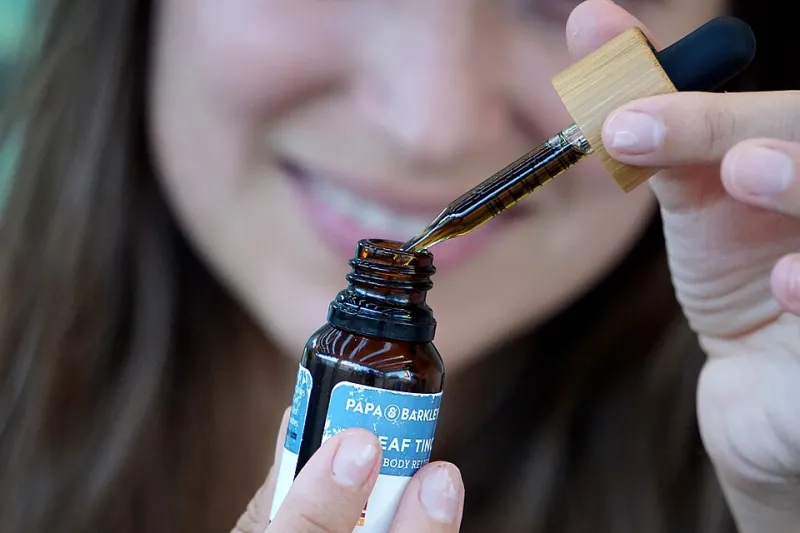
Photo: elsaolofsson, CC BY 2.0, via Wikimedia Commons
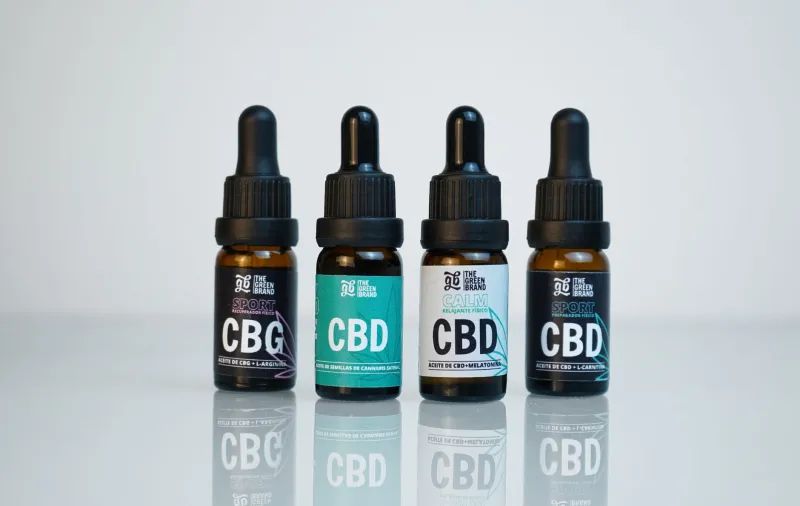
There is a particular kind of quiet confusion that happens in the CBD aisle. You pick up a bottle, turn it over, and find three different numbers competing for your attention: a large milligram figure on the front, a smaller figure near the dropper, and a phrase like “serving size” tucked into the small print. None of them are lying, exactly. They are simply answering different questions.
That is the serving-size puzzle in a nutshell. It is less about being bad at maths and more about UK labels asking shoppers to do several sums at once, often while standing next to a shelf of very confident packaging. This guide is here to slow that moment down.
First, separate the three numbers
Most CBD oil labels are trying to tell you three things at once.
The total bottle strength is the big number. A 10ml bottle described as “1000mg CBD” contains roughly 1000mg of CBD across the whole bottle. It is a useful figure for comparing value, but it is not the amount you take in one go.
The concentration tells you how much CBD is in each millilitre. In that same 10ml, 1000mg bottle, the concentration is about 100mg per ml. Concentration matters because it affects how much liquid you need for a given amount of CBD.
The serving size is the amount the brand suggests using at one time — for example, “10 drops” or “0.5ml”. The CBD per serving is the number that actually connects the bottle to your routine. If 10 drops equal 0.5ml, and the oil contains 100mg per ml, then a serving contains around 50mg CBD. That is a very different figure from the 1000mg on the front.
None of this makes the front-of-pack number dishonest. It just means the bold figure is a bottle total, not a personal instruction.
The dropper is not a laboratory pipette
Dropper markings are helpful, but they are not always precise. A glass dropper may show 0.25ml, 0.5ml, 0.75ml and 1ml lines, though the print can be faint and the oil can be thick. Drop size also varies with the liquid, the dropper opening and how hard you squeeze. Ten drops from one bottle may not be exactly ten drops from another.
That is why millilitres are usually a steadier guide than drops when the label gives you both. If the bottle says “0.5ml per serving”, use the dropper marking for 0.5ml rather than counting droplets in the hope that they behave. If the label only talks in drops, count carefully, keep the same technique and treat the result as a practical guide rather than a pharmacy-grade measurement.
A small kitchen scale or a measuring syringe from a pharmacy can help if you want to be more consistent, but most people do not need extra equipment. They need a label they can read and a routine they can repeat.
Label traps worth a second look
A few common phrases deserve a slower read.
“High strength” is marketing language, not a standardised measurement. It might mean a high total bottle strength, a high concentration, or simply a high number printed in a large font. Check the milligram per serving.
“Per 10 drops” versus “per drop” can change the picture considerably. A label that says 5mg per drop is describing a very different serving from one that says 5mg per 10 drops. Read the unit, not just the number.
Total CBD versus hemp extract is another distinction. A bottle may contain 500mg of hemp extract but less CBD, or it may state CBD clearly. Look for the CBD figure specifically, and check whether a batch lab report is available. In the UK, reputable brands should be able to point you toward testing information and clear batch details.
Capsules and edibles have their own arithmetic. A capsule bottle might say “30 capsules” and “10mg CBD per capsule”. That is straightforward. An edible pack might say “200mg per pack” but contain 20 sweets, making each sweet around 10mg. If you assume the pack number is one serving, you have skipped a step.
Match the serving to the routine, not the advert
A serving size on a label is a suggested amount, not a target to beat. It is also not a medical dose. CBD products in the UK are generally sold as food supplements or cosmetics, not licensed medicines, and labels should not promise to treat conditions.
A calmer approach is to choose a product with clear numbers, then match it to a simple routine. If you are new to CBD, a common-sense starting point is to begin with a modest serving, keep it consistent for a week or two, and note how you feel without expecting instant drama. If you decide to adjust, make one small change at a time rather than leaping from a few drops to a full dropper because the bottle looks impressive.
It also helps to compare cost per milligram rather than cost per bottle. A cheap bottle with a large total number may contain many small servings; a smaller bottle with a clearer serving size may suit your routine better. The useful question is not “which number is biggest?” but “how many servings does this actually give me, and at what strength?”
A short at-home checklist
Before you open the bottle, try this:
- Find the CBD amount per serving, not just the total bottle strength.
- Check whether the serving is measured in drops, millilitres, capsules or pieces.
- Work out how many servings the bottle or pack contains.
- Compare the cost per milligram with similar products.
- Look for batch testing information and a clear expiry date.
- Keep your measuring method consistent from day to day.
- If you take medication, are pregnant or breastfeeding, or are managing a health condition, ask a pharmacist or GP before starting.
The quiet point of all this
Serving sizes are not there to trick you. They are there to translate a bottle into something you can actually use. The trouble starts when the loudest number on the label is allowed to answer a question it was never meant to answer.
So the next time a bottle announces 1000mg in confident type, turn it around. Find the serving size. Find the CBD per serving. Do the small piece of arithmetic. Then decide whether the product fits your routine — calmly, clearly and without letting the font size make the decision for you.