The Bin Behind the Bottle: A Calm UK Guide to CBD Packaging, Refills and What Happens After the Last Drop
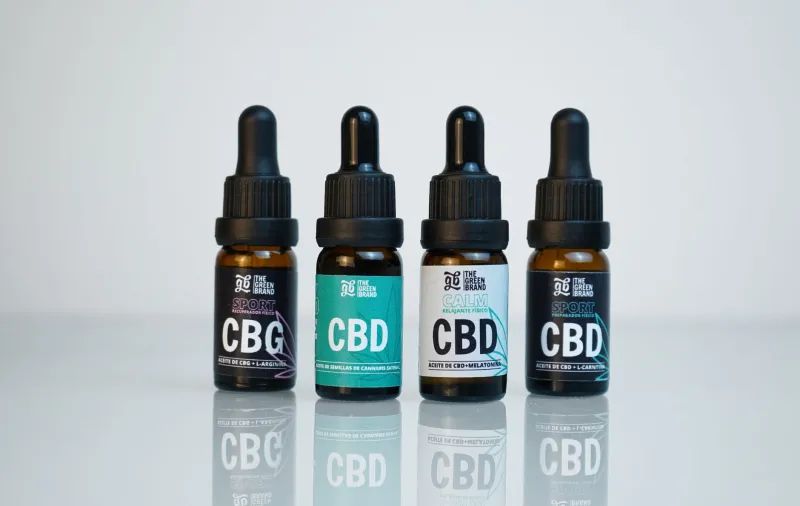
There is a quiet moment at the end of a CBD bottle. You hold the glass in one hand, the dropper in the other, and wonder what the responsible thing to do actually is. The label may have been reassuringly earthy. The carton may have mentioned the planet. But the bin in your kitchen is not a brand statement. It is a small, local set of rules, and it is not always obvious which part goes where.
This is not a lecture about saving the world one dropper at a time. It is a practical look at CBD packaging in the UK, written for adults who want to make sensible choices without pretending that every bottle is a moral exam. The aim is simple: understand what you are buying, ask a few better questions, and avoid letting a wellness routine turn into a low-level guilt hobby.
First, the bit the label rarely explains
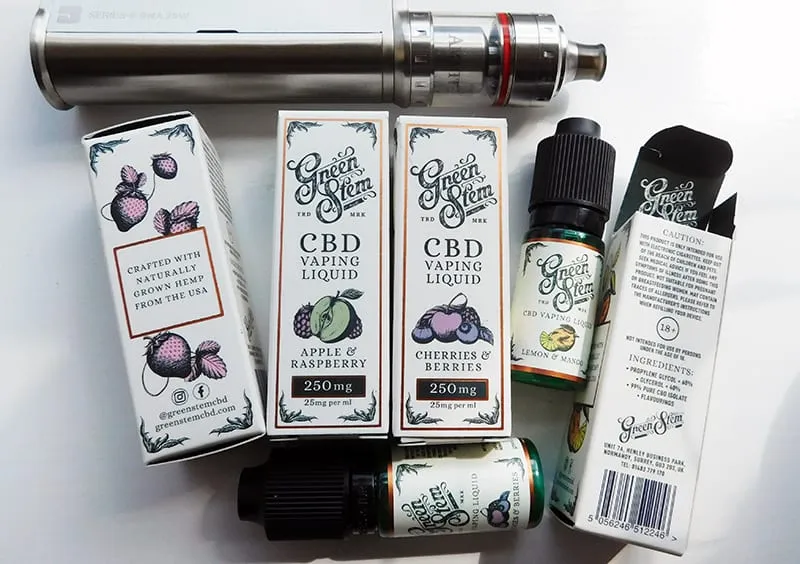
A CBD oil bottle is rarely just a bottle. It is usually a glass container, a dropper assembly, a plastic collar or cap, a rubber or silicone bulb, a label, an outer carton and sometimes a leaflet or pouch. Each part has a different waste stream, and each council in the UK can treat those streams slightly differently.
Glass is often the easy headline. Many councils collect glass at kerbside, and glass banks are common. But the dropper is the awkward guest at the party. The pipette itself may be glass, the bulb is usually rubber or silicone, and the collar is often plastic. These parts are not designed to be thrown into a glass bank as one cheerful unit. If the brand gives disassembly guidance, follow it. If not, check your council's rules rather than guessing.
The same goes for caps. A plastic cap may be recyclable, but small caps can fall through sorting machinery. Some are made from mixed materials. Some are black plastic, which has had a patchy reputation in UK recycling. None of this means you are doing something terrible. It means packaging is a system, and systems have gaps.
Glass is good, but it is not the whole sentence
It is tempting to treat glass as automatically virtuous. It is recyclable, it does not leak into the soil in the same way as some plastics, and it feels premium in the hand. But glass is heavier than plastic, which affects transport emissions. A refill scheme that involves posting a heavy bottle across the country may not be the environmental slam dunk it appears to be.
In the UK, glass collection also varies. Some households have kerbside glass collection. Some need to use local bottle banks. Some councils accept certain colours and not others. If you are going to recycle the bottle, rinse it, remove what you reasonably can, and follow your local guidance. Do not put the whole dropper assembly into the glass bank and hope for the best.
The cap, the bulb and the small-parts problem
Small components are where calm packaging choices often get stuck. A rubber dropper bulb is not usually kerbside recyclable. A mixed plastic collar may not be either. If your council cannot take a small part, general waste is often the more honest destination than contaminating a recycling stream.
This is not a reason to feel bad every time you finish a bottle. It is a reason to favour brands that explain their packaging clearly. A good brand does not need to claim perfection. It simply needs to tell you what the bottle is made of, whether the dropper can be separated, and what the refill or take-back options are in the UK. If that information is missing, ask. A polite email is not a protest. It is consumer feedback.
Cartons, leaflets and the outer box
Outer cartons are often made from paper or card, which is widely recycled in the UK, but check for laminates, foil or plastic windows. Remove leaflets and inserts where you can. If the carton is clean and dry, it usually has a better chance in kerbside recycling than a greasy pizza box, but local rules still apply.
Leaflets are a useful reminder that packaging is also communication. Some brands overdo it. A small bottle can arrive with a folded booklet, a card, a sticker and a pouch. None of these is a crime, but they add up. If you are choosing between two products, packaging volume is a fair tie-breaker. Less stuff is often the simplest win.
Refills: ask three questions before feeling virtuous
Refill schemes are having a moment, and they can be genuinely useful. But 'refill' is not a magic word. Ask three questions before you feel you have solved the problem.
First, is the refill actually available in the UK? A scheme that exists only in a press release is not a scheme. Second, what does the refill packaging look like? A pouch may use less plastic than a bottle, but many pouches are not kerbside recyclable. Third, is the refill practical? If it involves posting a bottle back, buying a separate funnel or storing a large container in a small flat, the reality may be more complicated than the promise.
A refill that is local, simple and genuinely lower-impact is worth supporting. A refill that adds postage, plastic and admin is not automatically better. The calm approach is to judge the whole loop, not just the word on the label.
Greenwashing's favourite words
CBD packaging is not unique in its fondness for vague environmental language. 'Plastic-free' may refer to the bottle but not the cap. 'Biodegradable' may mean very little in a UK landfill or recycling system. 'Compostable' may require an industrial facility that your council does not have. 'Carbon neutral' may rely on offsets. 'Ocean-bound plastic' may be a real initiative or a marketing phrase.
None of this means every brand using these words is acting in bad faith. It means the words need evidence. Look for specific claims: which component, which material, which certification, which UK collection route. On-pack recycling labels can help, but they are not universal. If the label says 'check locally', that is your cue to check your council's website rather than assume.
A five-minute packaging audit that does not become a guilt spiral
At your next purchase, try a short, low-drama check. Does the brand explain the bottle and dropper materials? Does it offer a refill or take-back option in the UK? Is the outer carton necessary? Is a larger bottle better value and less packaging per milligram, or will it outlast its shelf life? Can you buy from a UK retailer rather than importing a single bottle by air?
Then stop. You do not need to conduct a full life-cycle assessment before your evening tincture. The point is not to be perfect. The point is to make a slightly better choice where it is easy, and to skip the guilt where it is not. Wellness routines are supposed to lower the temperature, not raise it.
What to ask a brand, politely
A short email can do a lot: 'Can you tell me which parts of your CBD oil packaging are kerbside recyclable in my postcode? Do you offer a UK refill or take-back scheme? What is the dropper bulb made of? Is the outer carton FSC-certified or made from recycled card?' Brands that care will answer. Brands that do not will give you useful information too.
The last drop is not the last word
Packaging matters, but it is not a personality test. Glass bottles, plastic caps and refill pouches all sit inside a UK recycling system that is uneven, local and sometimes frustrating. The sensible response is not cynicism or perfectionism. It is a bit of curiosity, a bit of pressure on brands to be clearer, and a refusal to let the bin behind the bottle become another source of guilt.
Buy well where you can. Recycle what your council actually takes. Ask questions when the label is vague. And then get on with the calm part: the routine itself.