The Considerate Tenant: CBD, Small Flats and the Rules That Actually Matter

Photo: small UK rented flat interior calm daylight CBD oil bottle on shelf near window, via content.tinytap.it
Renting a flat in the UK often means close neighbours, shared hallways and a tenancy agreement that has been written with the broadest possible brush. CBD can sit comfortably inside that picture, but it helps to start with the paperwork rather than the bottle. This is not legal advice, and it is not a workaround for a clause you would rather ignore. It is a calm look at the choices that tend to matter when you rent, share and want your CBD use to stay quiet, sensible and easy to explain.
Start with the clause, not the bottle
Most tenancy agreements in England, Scotland, Wales and Northern Ireland will say something about smoking. Many now add vaping, e-cigarettes or 'similar devices' to the same paragraph. If your CBD product is a vape liquid, the sensible assumption is that the vaping part of the clause applies to you. The fact that CBD is legal to buy in the UK does not automatically override a private contract about what happens inside a rented flat. A landlord can restrict smoking and vaping on the property even when the product itself is lawful.
Read the definition in your agreement. Does it mention 'smoking' only, or 'smoking and vaping'? Does it cover the flat, the building, the balcony or the communal garden? If the wording is vague, ask the letting agent or landlord in writing. A short email asking whether vaping is permitted inside the property is usually enough. Keep the reply. It is far easier to point to a clear answer later than to untangle a misunderstanding after a neighbour has complained.
If you use CBD as an oil, capsule, patch or balm, you are not smoking or vaping it. That does not mean every clause is irrelevant, but it does mean the smoke and vapour sections may not be the main issue. The practical questions become storage, smell, shared space and making sure nothing is damaged or left where it should not be.
What CBD looks like in a rented flat
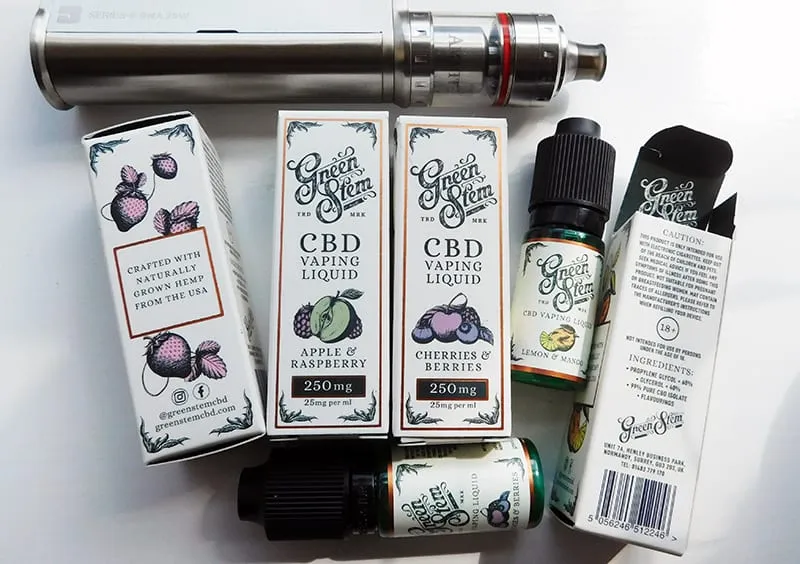
UK CBD shelves are no longer just bottles of oil. You will find drops, capsules, balms, patches, bath products and vape liquids. Each one behaves differently in a small flat. Oral drops and capsules are discreet and produce no vapour. Balms can carry a scent, especially those with essential oils. Vape liquids produce vapour and a smell that can travel under doors and into hallways, even if it fades quickly.
That difference matters. If your tenancy says no vaping indoors, a CBD vape is still a vape. Using it by an open window may feel like a compromise, but it is not a guaranteed fix, and it may still breach the wording. A balcony can be another grey area: it might be part of your demised property, or it might be a common part with building rules attached. Check before you assume.
For many renters, the simplest route is to choose a product format that does not ask anything of the building. Oils and capsules are not automatically 'better', but they are easier to keep private. They also avoid the question of vapour altogether.
The smell question
CBD oil has an earthy, plant-like smell. It is usually mild, but in a small flat with a shared hallway, mild can still be noticeable. Keep lids tight, wipe the bottle after use and store it in a cupboard rather than on a windowsill. Do not decant it into an unlabelled bottle or a fancy dropper you bought separately. Keeping the original packaging makes it easier to check the batch, the directions and the date.
Balms and topical products can be more fragrant. If you share a flat, use them in your room rather than the communal bathroom and keep the lid closed. Avoid masking smells with incense or strong candles, especially near smoke alarms and soft furnishings. The aim is not to create a different scent cloud; it is simply to keep your products contained.
If you vape CBD and your tenancy allows it, treat the vapour like any other vapour. Ventilate, keep it away from soft furnishings and be mindful of housemates who did not sign up for it. In a shared flat, 'allowed' and 'considerate' are not always the same thing.
Storage in a shared or small home
CBD products generally prefer a cool, dark, dry place. A kitchen cupboard away from the oven, a bedroom drawer or a closed box on a high shelf is usually more sensible than a bathroom windowsill. Heat and sunlight are not kind to oils, and bathrooms can be humid. Keep bottles upright and out of reach of children and pets. If you have a housemate with a curious cat or a toddler visiting, a locked or high cupboard is kinder than a bedside table.
In a shared kitchen, you do not need to turn your CBD into a talking point. A small labelled box on your own shelf is enough. Keep the batch number and any lab report with the packaging if you can. If a housemate asks, you can explain what it is without turning it into a health seminar.
Housemates, hallways and honest words
Shared tenancies work best when people know roughly what is happening in the communal areas. You do not owe anyone your medical history, but a brief, calm sentence can prevent a strange atmosphere. Something like 'I use a CBD oil in the evening, just in my room' is usually enough. If you vape, say so before you do it in a shared space. A housemate may have asthma, a pet, a recovery journey or simply a strong preference for vapour-free air.
Do not overclaim. CBD is not a cure-all, and it is not a licence to ignore a household agreement. Keep the conversation practical: where you store it, whether it smells, whether you vape and what you will do if someone is uncomfortable. That is more useful than a lecture on cannabinoids.
Talking to a landlord without oversharing
You do not usually need to announce that you use CBD oil. If you are asking about vaping, keep the question narrow. 'Does the tenancy allow vaping inside the flat?' is clearer than a long explanation about why you are asking. If you have a prescribed cannabis product, that is a different conversation with different legal and practical considerations; seek proper advice rather than relying on a general guide.
If you are worried about a clause, ask before you sign a new tenancy or before you change how you use a product. Get the answer in writing. Keep the flat in good order, respect inspection appointments and avoid anything that leaves a mark, stain or lingering smell. A good landlord cares about the property and the neighbours. A calm tenant who asks first tends to have an easier time than one who hopes nobody notices.
A quiet renter's checklist
Read the smoking and vaping clause before you buy. Check what your product actually is. Choose a format that fits the building, not just your preference. Store it cool, dark and labelled. Keep it away from children and pets. Talk to housemates before using anything in shared space. Ask the landlord in writing if the wording is unclear. Keep receipts, batch details and any lab report. And keep the conversation grounded: CBD is a personal choice, not a challenge to the tenancy.
Rented life is full of small negotiations. CBD does not have to be one of the loud ones. With a clear look at the terms, a sensible storage spot and a bit of consideration for the people on the other side of the wall, it can stay exactly where it belongs: a quiet part of your routine in 2026.