The Ignition Question: A Calm CBD-and-Driving Briefing for UK Motorists
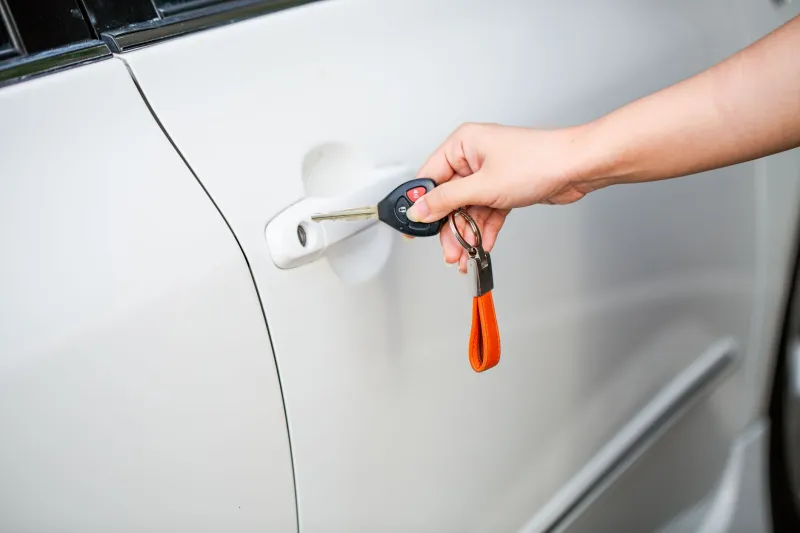
There's a particular kind of quiet that settles over a car before a long drive. Keys in hand, coat on, the boot half-loaded. It's also the moment when a lot of people quietly wonder about the small brown bottle on the bathroom shelf — and whether last night's few drops have any bearing on this morning's journey.
That question deserves a proper answer, not a slogan. So here's a calm, common-sense walkthrough for UK drivers who use CBD. It isn't legal advice, and it isn't a substitute for your own GP or pharmacist. It's simply the groundwork that makes those conversations easier.
Start with the law, not the label
UK drug-driving rules don't mention CBD at all. What they focus on is THC — the psychoactive cannabinoid — and impairment.
Broadly, there are two moving parts. Under section 5A of the Road Traffic Act 1988, there are specified limits for certain drugs, and for THC that limit is set very low (2 micrograms per litre of blood). Exceeding it is an offence regardless of whether you feel affected. Separately, section 4 deals with driving while unfit through drink or drugs — which is about impairment, however it's caused.
Roadside screening typically uses a swab test that looks for a handful of substances, THC among them. If that comes back positive, a blood test follows. The practical upshot: the conversation isn't really 'is CBD legal?' — it's 'is there any THC in my system, at what level, and am I in a fit state to drive?'
Why 'THC-free' deserves a second look
Labels are marketing as much as they are measurement. 'THC-free' on a UK CBD product usually means something closer to 'below the limit of detection in the test we ran' rather than a guarantee of absolute zero.
That's not a scandal — it's chemistry. CBD is extracted from a plant that also produces THC, and full-spectrum or broad-spectrum products may retain trace amounts. Even isolate-based products sit within a supply chain where cross-contamination is possible. The honest framing is that trace THC is a possibility in some products, and the label is only as good as the batch it describes.
This is where a certificate of analysis earns its keep. If a brand publishes batch-level lab reports showing cannabinoid content, that tells you more than any front-of-bottle claim. It also gives you something concrete to take to a pharmacist.
Dose, timing and the honest unknown
Here's the uncomfortable part: there is no neat formula that tells you how long a given dose of CBD stays relevant to a driving decision.
What we can say is fairly modest. CBD is typically taken orally as an oil, and absorption is slow and variable — food, formulation and individual metabolism all push and pull at it. Regular users and occasional users are not the same. Body weight, liver function and other medication can all shift the picture.
What we can't say — and what nobody can responsibly say — is 'wait X hours and you're definitely clear'. Anyone offering a precise number is guessing.
So the sensible approach is conservative and personal:
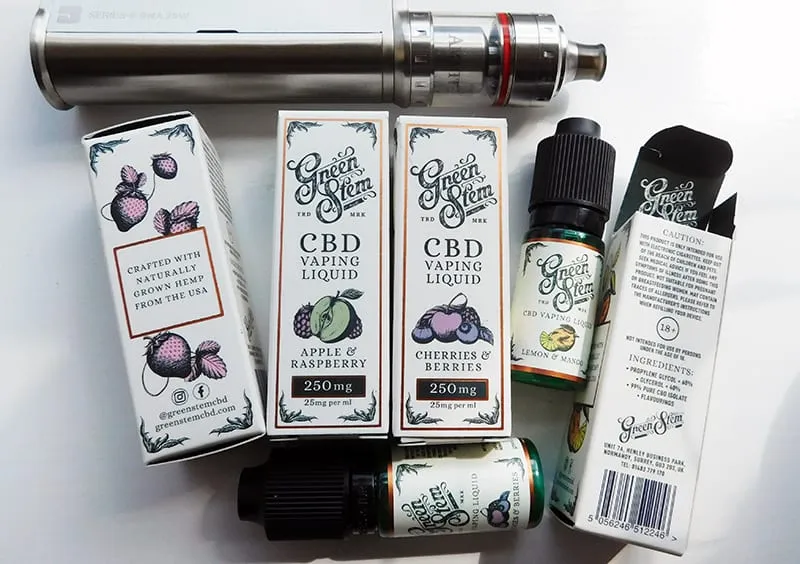
- Know your product. Strength per drop or per millilitre, spectrum type, and the batch number. If you can't find those, that's information too.
- Start low, and don't start on a driving day. The first fortnight of any new product is not the week to experiment before a 6am motorway run.
- Notice how you actually feel. Drowsiness, foggy thinking or a heavy-limbed calmness are reasons to hand over the keys, whatever the label says.
- Keep CBD away from the driving window. Many people simply take theirs after the day's driving is done. It's an unglamorous habit and a useful one.
The other things in your system
CBD rarely travels alone. Antihistamines, some antidepressants, sleep aids, pain relief and alcohol all affect alertness, and some interact with how the body processes other medicines. CBD can influence certain liver enzymes, which is one of the reasons a pharmacist is worth ten minutes of your time.
And the obvious one: alcohol plus CBD plus a car is a poor combination, even in small amounts. The same goes for anything that leaves you feeling sedated. Fitness to drive is a judgement about you, not about what you swallowed.
How to raise it with a pharmacist or GP
This is easier than most people expect, largely because you can be specific.
Try something like: 'I use a CBD oil in the evenings. I drive most mornings. I'd like to check whether it interacts with my other medication, and whether there's anything I should be aware of.'
Bring the bottle. Bring the batch number. If you have a lab report, bring that too. Ask directly about interactions and about drowsiness. Ask whether your other prescriptions carry any driving cautions. You're not confessing anything — you're doing the thing that careful drivers do.
If you're a new user, or you've recently changed product or dose, mention that. It's relevant.
A short checklist before you turn the key
- Do I feel alert, or merely awake?
- Have I taken anything today that could dull my reactions — CBD, medication, alcohol?
- Do I actually know what's in my product, and at what strength?
- Have I changed dose or brand in the last few days?
- If I'm unsure, is there another way to get there?
The last question is the one that matters most. A taxi, a train, a lift from a friend — none of them are a defeat. They're just a different arrangement of the same evening.
The takeaway
CBD isn't illegal to use and drive with, but that's a thinner comfort than it sounds. The law looks at THC and at impairment. Your label looks at marketing. Your body does its own thing somewhere in the middle.
So keep records, keep doses modest, keep an honest eye on how you feel, and ask a professional when the answer isn't obvious. None of that is dramatic. It's just what careful people do before they turn the key.
This article is general information for UK adults and is not legal or medical advice. If you're unsure about your fitness to drive, don't drive. Speak to your GP or pharmacist, and see GOV.UK guidance on drug-driving limits for the current legal position.