Border Calm: A UK Traveller’s Guide to Packing CBD in 2026
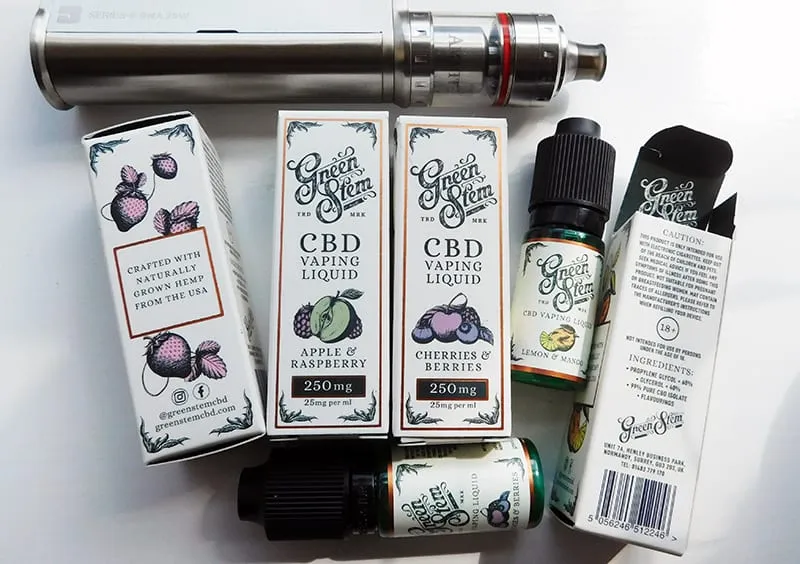
Photo: Ecig Click, CC BY-SA 2.0, via Wikimedia Commons
Travelling with CBD is one of those topics where the internet tends to split into two camps: people who say it’s fine everywhere and people who say never risk it. The truthful answer sits in the middle, and it starts with a sentence that isn’t very exciting: it depends where you’re going.
In the UK, CBD products are widely sold as wellness items, and many adults have folded a small bottle into their daily routine. That routine can feel very ordinary by the time you’re zipping a wash bag shut. But a border is not a shelf. What is legal at home is not automatically welcome overseas, and the gap between those two facts is where sensible preparation lives.
A British receipt is not a travel pass
The first thing to park is the idea that because a product was bought legally in Britain, it must be acceptable elsewhere. It doesn’t work like that. Countries treat cannabis-derived products in very different ways. Some are relaxed about CBD wellness products. Some regulate them as medicines. Some take a zero-tolerance approach to anything connected with the cannabis plant, even if the label says CBD and the THC level is tiny.
That last point matters. A product marketed in the UK as CBD may still be inspected, tested or questioned abroad. Customs officers are not reading our domestic retail rules; they are applying theirs. A receipt from a British shop is useful context, but it is not a magic document that overrides another country’s law.
Start with the destination, not the bottle
Before you think about decanting, packing or labelling, spend ten minutes on the destination itself. The UK government’s travel advice pages are a reasonable starting point, but for anything medicine-adjacent it’s worth going further: the destination country’s embassy or high commission, its customs authority, and the airline’s own rules.
Look specifically for how the country handles CBD, cannabis-based medicines and controlled substances. If you use a prescribed cannabis-based medicine, the question changes from “wellness product” to “medicine import”, and that usually means more paperwork and sometimes prior permission. Do not rely on a forum post from three years ago, even if it was written by someone who sounds very confident.
And don’t forget the countries you’re passing through. More on that below, because layovers catch people out.
The paperwork that helps — and what it can’t do
If you are travelling with CBD, a small folder of supporting information is sensible. It won’t guarantee anything, but it can make a conversation at a border calmer and clearer.
Useful items include:
- The product in its original packaging, with the label intact and legible.
- A receipt or order confirmation showing where and when it was bought.
- The batch number and, if available, a certificate of analysis or lab report.
- For prescribed products, a letter from your clinician or prescriber and a copy of the prescription.
Keep digital copies as well as paper ones. If a label has faded or a box has been squashed in the bottom of a rucksack, you’re making it harder for anyone — including you — to explain what the product is.
What paperwork cannot do is make an illegal import legal. If the destination prohibits CBD, a lab report and a friendly smile won’t change that. Documentation supports a lawful journey; it doesn’t create one.
Packing for the airport, not the Instagram
Airport security is its own small theatre. CBD oils are liquids, so the usual hand-luggage rules apply. Check your airline’s current guidance and the airport’s security requirements before you fly. In many cases that means containers of 100ml or less, carried in a clear bag.
Resist the urge to decant into an unmarked travel bottle to save space. An original labelled container is easier to explain than a mystery liquid. Keep the product somewhere accessible rather than buried at the bottom of a tightly packed case, in case security staff want to look at it.
If you use CBD capsules or edibles, check whether they count as food or medicine at your destination. Rules on bringing food products across borders can be surprisingly strict, and “it’s just a supplement” is not a universal category.
The layover trap
This is the bit people miss. You can do your homework on the final destination and still run into trouble because of the country where you change planes. Transit passengers are sometimes subject to the same restrictions as arriving passengers, especially in countries with strict drug laws. If you wouldn’t take the product into a country, don’t assume it’s fine to carry it through its airport.
If your route involves a connection in a destination with unclear or strict rules, the simplest option may be to leave the CBD at home for that trip. That is not a dramatic failure of your wellness routine. It’s just travel admin.
Sometimes the calmest choice is to leave it behind
For a short break, a business trip or a family visit, consider whether you actually need to bring the bottle. If CBD is part of a personal routine rather than a prescribed medicine, a few days without it may be less hassle than navigating unfamiliar customs rules. If it is prescribed, plan earlier. Ask your prescriber or clinic what documentation they can provide, and check the destination’s import rules well before departure.
Buying CBD abroad is not a simple workaround either. You would still need to understand local law, product quality and labelling — and you would be doing that in an unfamiliar market. For a short trip, it is often more trouble than it’s worth.
Coming home is part of the journey
Don’t forget the return leg. UK rules on bringing CBD and cannabis-based products into the country still apply, and customs declarations are not a formality to skip because you’re tired and your flight was delayed. Keep receipts and packaging until you’re home. If you’re unsure, check the official guidance rather than guessing at the airport.
At The House of Canna, our view is simple: CBD should fit into adult life calmly, and that includes the parts of life that involve borders. A little research, original packaging and a realistic sense of what your destination allows will do more for your peace of mind than any last-minute packing hack.
Travel is meant to be the break from admin. A few careful checks before you leave can keep it that way.