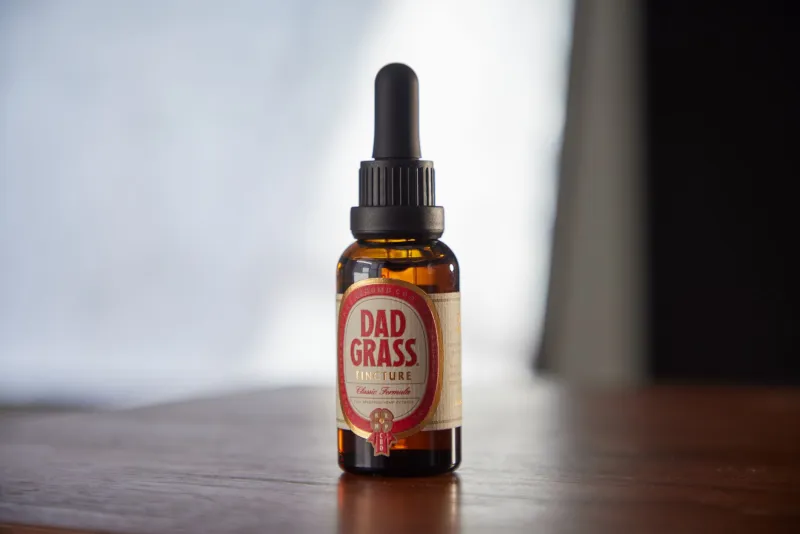
Nine Minutes, One Bottle: Talking CBD With Your GP Without the Wince
Photo: Unknown, CC BY 4.0, via Wikimedia Commons
You've got nine minutes, maybe ten, and a list of things to get through. The CBD bottle is at home on the kitchen counter, next to the kettle. You've already decided you might mention it. Then the door opens and suddenly it feels like a strange thing to bring up.
It isn't. But it's easy to see why it feels that way.
Why it feels awkward
Three worries usually turn up together. The first is being judged — as if taking an unlicensed product means you've been reckless. The second is being told off, or hearing the dreaded "there's no evidence for that" before you've finished your sentence. The third is vaguer: a quiet fear that it will end up in your notes and follow you around.
Your GP's job isn't to approve of everything you do. It's to help you stay safe while you do it. That's a much easier frame to walk in with.
What they actually need from you
Four facts, in plain terms:
- What you're taking — oil, capsule, vape, balm, gummy. "CBD" alone is a bit like saying "tablet".
- How much — the milligrams per serving, not just the number on the front of the bottle.
- How often — once a day, twice, only at weekends, only when things get bad.
- Why — sleep, a creaky knee, general stress, curiosity. Plain language is fine.
Add the brand and, if you have it, the batch number. That last one sounds fussy, but it's the difference between a vague chat and a specific one.
Have the numbers written down
Memory is unreliable under surgery lighting. Before you go, jot this on your phone or the back of an envelope:
Product: [brand, type, strength per serving] Dose: [mg] taken [times per day] at [time of day] Started: [roughly when] Also take: [all medicines, supplements, herbal remedies]
Two lines of text can carry the whole conversation. Nobody will think it's odd. GPs are used to people arriving with notes — half of them arrive with worse ones.
The other medicines bit — don't skip it
This is the part that actually matters. CBD can affect how the body processes certain medicines, and some medicines affect CBD in return. Warfarin and certain epilepsy medicines are the examples most often discussed, but they aren't the only ones.
And "other medicines" means more than prescriptions. It includes:
- over-the-counter painkillers
- supplements and vitamin doses
- herbal remedies, especially St John's wort
- anything prescribed by a specialist you saw months ago
If you're on a regular prescription and you've added CBD without telling anyone, that's exactly the gap worth closing today.
Keep a two-week log, not a diary
If you want the conversation to be useful, arrive with a fortnight of light notes. Not feelings — a log.
| Date | Dose | Time | Anything you noticed |
Four columns, thirty seconds a day. It gives your GP something concrete, and it gives you a baseline you'd otherwise lose. If you ever decide to stop, the same log tells you what changed when you did.
Say what you're not claiming
You don't need to convince anyone of anything. A sentence like this does a lot of work:
"I'm taking a CBD oil, about 15mg in the evening. I'm not asking you to prescribe it or approve it — I'd just like your view on whether it interacts with anything I'm on."
That framing lands well. It's specific, it's honest, and it asks a question a clinician can actually answer.
If the answer is 'we don't know much about it'
You may well hear that, and it's an honest answer rather than a brush-off. The evidence base for CBD in everyday wellness use is still thin — small studies, mixed results, plenty of marketing noise on top. A clinician saying so isn't dismissing you; they're telling you where the ground is solid and where it isn't.
A reasonable follow-up: "Is there anything you'd want me to keep an eye on?" That turns a dead end into a plan.
The pharmacist shortcut
If a ten-minute GP slot feels like the wrong room, remember the high street. Community pharmacists are trained in medicines interactions, usually have more time, and many offer private consultations. A pharmacist can look at your full list and flag concerns without any appointment admin at all. For a straightforward "does this clash with my prescription?" question, they're often the best-placed person in the building.
The short version, for the door
If you take nothing else in with you, take this:
- Name the product and the strength per serving.
- State the dose and the timing.
- List every medicine and supplement you take.
- Say what you're hoping for — an interaction check, not a blessing.
After the appointment
Write down what was said while it's fresh. If you're advised to stop, stop and note the date. If you're told to keep an eye on something, actually keep an eye on it. Then mention it again at your next review — continuity is what turns a one-off conversation into proper care.
The House of Canna's view is simple: your GP doesn't need a polished speech. They need the number on the bottle and an honest account of what you're taking alongside it. That's a nine-minute conversation anyone can have.